Cowberry Merry: A Whimsical Sans Serif
As a marketing designer, I often find myself in the middle of a campaign workflow, juggling deadlines and creative direction. One morning, I was tasked with designing a promotional graphic for a seasonal sale. The brand needed something that felt festive but not overly cluttered. That’s when Cowberry Merry came into play.
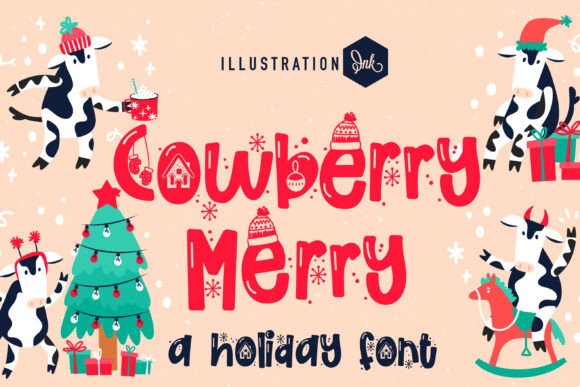
Cowberry Merry is a hand-crafted sans serif font that blends whimsy with clarity. Its characters have a playful edge, with subtle flourishes and a soft, approachable feel. Think of it as a handwritten signature with a modern twist. The font includes elements like snowflakes, presents, and holiday motifs, making it ideal for seasonal or lighthearted campaigns.
Using Cowberry Merry in social media graphics brought an immediate sense of personality to the design. For a YouTube thumbnail, I paired it with a bold background and a simple icon. The font stood out without overwhelming the visual hierarchy. On mobile screens, it remained legible, even at smaller sizes. This makes it a great choice for thumbnails, where first impressions matter most.
When designing Instagram posts, I experimented with different layouts. Cowberry Merry worked well as a headline or callout, especially for short phrases. It added a unique flair to quote graphics and reel covers, helping the content stand out in a fast-scrolling feed. However, I noticed that using it for longer text, like captions or descriptions, could reduce readability. That’s why I reserved it for display purposes rather than body text.
In a digital ad layout, Cowberry Merry made a strong impression. It was perfect for headlines and buttons, drawing attention without being too distracting. When paired with a clean, minimalist design, the font enhanced the overall aesthetic. For email banners, it added a touch of personality to subject lines and header text, making the message feel more engaging.
One of the key strengths of Cowberry Merry is its versatility. It can be used in a variety of formats, from website banners to branded templates. For a webinar banner, I used it as the main title, complementing a professional yet friendly tone. In a Pinterest campaign, it helped create a cohesive look across pins, reinforcing brand identity without feeling repetitive.
Readability was a concern when testing Cowberry Merry on dark backgrounds. While it remained legible, I found that adjusting the contrast improved the overall effect. On light backgrounds, it looked crisp and clear, which is essential for online shop promotions and digital ads. For small previews, such as social media profile pictures or app icons, the font held up well, maintaining its character without losing detail.
There are situations where Cowberry Merry might not be the best fit. Long blocks of text, dense information, or formal corporate communication may require a more structured typeface. It works best for short headlines, logos, and decorative titles. If you're looking for a premium font that adds personality to your visuals, Cowberry Merry is a solid choice.
Font pairing is another consideration. Cowberry Merry pairs well with clean sans serif fonts for balance, or with a script font for a more eclectic look. I tested it with a modern typography system, and it created a nice contrast without clashing. For editorial design or packaging, it could add a unique touch while still maintaining professionalism.
Before integrating Cowberry Merry into any campaign, it's important to check the available styles, alternates, and ligatures. These features can enhance the font's usability and creative potential. Additionally, ensure that the file formats and multilingual support meet your project requirements. Commercial licensing is also a factor, especially if you're using the font for client work or branded content.
Cowberry Merry is more than just a font—it's a tool for storytelling. Whether you're launching a product teaser or creating a content series, it brings a sense of warmth and creativity to your visuals. As a marketing designer, I appreciate how it balances charm with functionality, making it a valuable addition to any design toolkit.